June 15, 2026
Maintaining a personal or commercial vehicle in peak operational status requires an ongoing dedication to regular maintenance, precise diagnostics, and a deep understanding of automotive engineering. As vehicles grow increasingly sophisticated, incorporating intricate computer networks and complex mechanical assemblies, the necessity for specialized care becomes undeniably clear. Standard vehicle ownership entails a responsibility to address structural wear and system calibrations before minor discrepancies transition into major mechanical failures. For drivers seeking to preserve their vehicle equity and guarantee on-road dependability, partnering with a dependable facility is paramount. Establishing a routine relationship with a certified center for professional auto repair services remains the single most effective way to safeguard your daily transit, improve fuel efficiency, and protect everyone inside the cabin from unpredictable mechanical hazards.
Recognizing Subtle Automotive Warning Signals
Identifying early indications of component deterioration is crucial for avoiding costly breakdowns and lengthy garage stays. Modern vehicular platforms utilize a network of sensors designed to alert operators to minor internal discrepancies via dashboard illumination. Beyond these automated indicators, drivers should remain highly attuned to uncharacteristic acoustic patterns, such as squealing friction plates, grinding gear components, or rhythmic exhaust thumping. Variations in steering column feedback, unexpected spongy resistance within the braking pedal assembly, or a sudden reduction in fuel economy also demonstrate that internal components are operating under undue stress. Ignoring these sensory alerts permits localized friction to compromise surrounding mechanical systems, which exponentially increases subsequential restoration expenses. Seeking a professional diagnostic review at the initial manifestation of an anomaly ensures that simple component replacements prevent catastrophic system seizures.
Navigating Periodic Fluid Exchange Schedules
Preserving the hydraulic and thermal balances within an engine block depends heavily on the condition of internal fluids. Motor lubricants, transmission fluids, steering hydraulics, and cooling agents deteriorate over extended periods of operation due to high heat and environmental contamination. When lubricants lose their original viscosity, friction increases significantly between rapidly moving metal surfaces, which accelerates heat generation and component degradation. Furthermore, depleted cooling mixtures fail to regulate thermal peaks, exposing delicate engine blocks to warping and severe head gasket breaches. According to Sharpsheets.io, over 75% of Americans use an auto repair service at least once per year. This statistic highlights the broad national reliance on professional facilities to manage fundamental maintenance routines that keep vehicular infrastructure functioning properly across the country. Entrusting these critical fluid flushes to trained personnel prevents chemical buildup and ensures optimal system pressures.
Vetting Certified Automotive Technical Specialists
Entrusting a valuable asset to an external mechanical crew requires a thorough evaluation of technician credentials and facility capabilities. Vehicle owners should prioritize service centers staffed by specialists who hold recognized industry certifications, which validate their competence across diverse electrical and mechanical platforms. A reputable facility proudly exhibits its technical credentials and encourages open dialogue regarding diagnostic accuracy, labor rates, and part procurement paths. Examining community feedback and reviewing previous service case histories offers direct insight into a shop's operational transparency and commitment to consumer satisfaction. Furthermore, a professional facility will always offer written itemized assessments and gain explicit authorization before conducting any physical work on a customer vehicle. This level of professional accountability eliminates billing surprises and builds long-term consumer trust.
Maximizing Electronic System Diagnostic Accuracy
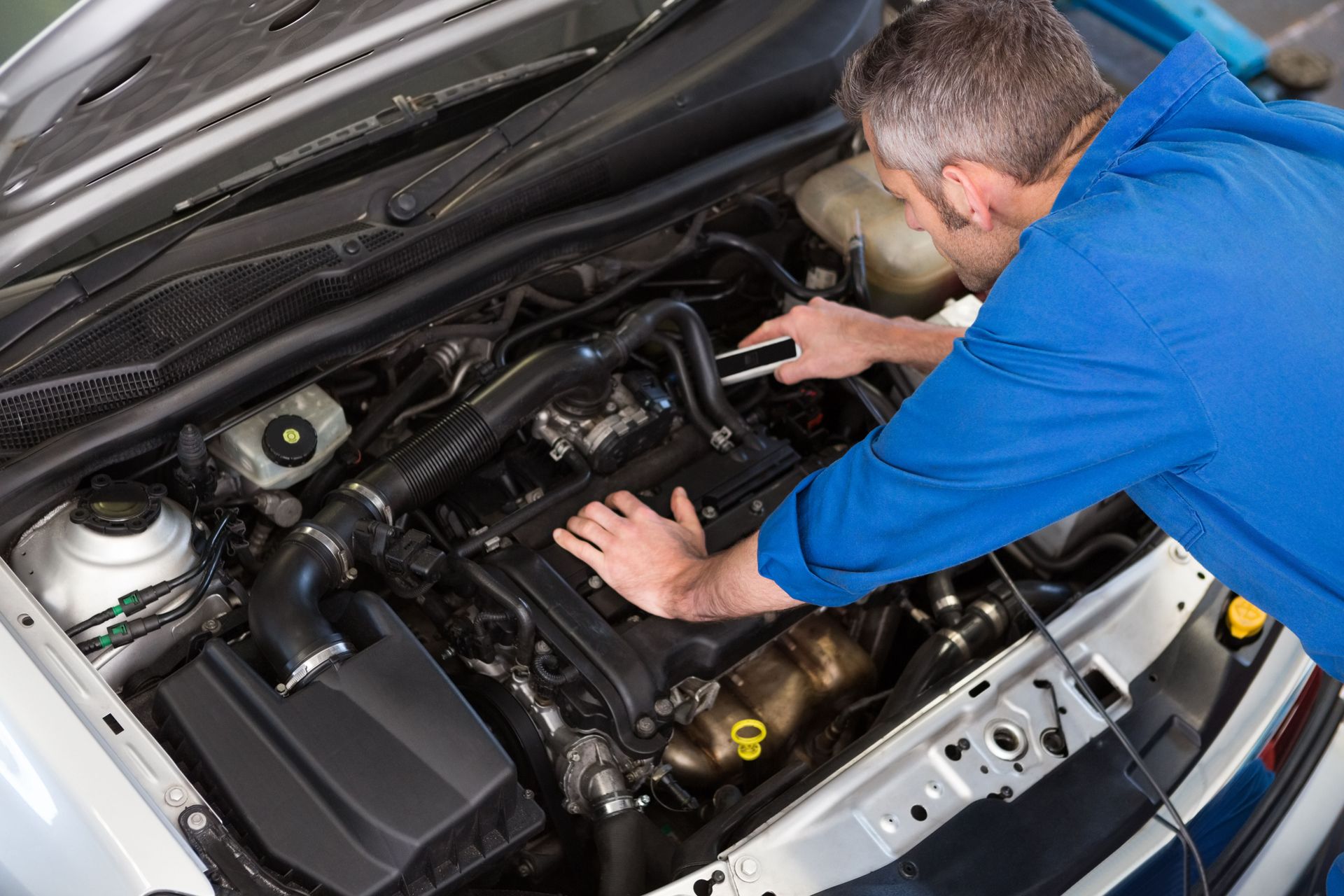
Resolving modern automotive issues relies less on guesswork and much more on the integration of advanced digital scanning technologies. When a vehicle exhibits erratic behavior, specialized computer systems interface directly with the onboard processor to extract specific error codes. These data streams provide technicians with a precise starting point, isolating malfunctions within the fuel delivery lines, exhaust sensors, or ignition timing mechanisms. Utilizing these advanced computer diagnostics during routine auto repair services transforms maintenance from a reactive scramble into a proactive strategy. This technology allows technicians to pinpoint microscopic electrical failures or sensory miscalibrations that might otherwise escape visual inspections entirely. Consequently, precise digital tracking minimizes labor hours and ensures that subsequent mechanical repairs target the actual root cause rather than merely masking the outward symptoms.
Evaluating Braking Infrastructure Performance Criteria
Sustaining absolute control over a vehicle during sudden deceleration scenarios depends entirely on the health of the braking layout. This system comprises sacrificial pads, metal rotors, heavy calipers, and pressurized hydraulic fluid, all working together to convert kinetic energy into thermal dissipation. As friction material wears down through daily use, braking distances naturally expand, which poses a serious threat to highway safety. Technicians carefully inspect pad thickness, document rotor surface scoring, and verify that hydraulic lines remain completely free of moisture contamination or air pockets. Upgrading worn friction components and flushing contaminated brake fluid restores the responsive pedal pressure necessary for emergency stopping power. Prioritizing this specific maintenance sector guarantees that a vehicle reacts immediately to driver input, defending the occupants from sudden structural collisions.
Implementing Preventive Tire Rotations and Alignments
Optimizing the physical connection between a vehicle and the roadway surface requires rigorous tire maintenance and careful chassis calibrations. Uneven tread wear occurs naturally because front and rear axles experience different steering forces and weight distributions during daily travel. Periodically repositioning tires around the chassis balances this physical wear, significantly extending the usable life of the rubber compounds. Simultaneously, precise wheel alignment ensures that all four wheels point in the exact direction specified by the factory blueprint. Misaligned suspension components cause tires to drag unevenly, which creates steering pulling sensations and places unnecessary strain on the entire steering linkage. Correcting these subtle geometric deviations minimizes rolling resistance, stabilizes high-speed tracking, and helps drivers extract maximum mileage from their tire investments.
Securing dependable vehicular transit requires an ongoing awareness of mechanical wear and a willingness to invest in professional system maintenance. While standard vehicle ownership brings a variety of operational challenges, establishing a relationship with an elite facility clarifies the path to long-term dependability. Investing in regular auto repair services preserves structural integrity, protects intricate electronic components, and ensures that family vehicles retain their market value over years of operation. By keeping a close eye on fluid conditions, tracking dashboard indicators, and relying on advanced computer diagnostics, drivers can enjoy their travels with absolute confidence.
Proactive vehicle preservation eliminates the stress of unexpected roadside breakdowns and ensures your transportation remains completely resilient against daily driving demands. Neglecting basic maintenance only allows minor mechanical imbalances to compound into severe system failures that compromise highway safety and drain financial resources. Entrusting your vehicle to a premier team provides a clear diagnostic perspective, giving you total transparency throughout every maintenance phase.
Regular professional evaluations reveal hidden vulnerabilities before they escalate, providing an accurate baseline of your vehicular health. This thorough approach optimizes performance while extending the mechanical lifespan of critical suspension, steering, and exhaust components. Investing in comprehensive maintenance allows drivers to confidently avoid unexpected expenses, ensuring complete operational readiness during long commutes or family road trips.
At World Motors Inc, we remain entirely dedicated to providing the precise technical care, advanced diagnostics, and exceptional customer dedication your vehicle deserves, keeping your journeys safe and efficient through every mile ahead. Do not wait for a dashboard warning light to compromise your travel plans. Contact our service team today to schedule your comprehensive vehicle evaluation, experience our industry-leading care firsthand, and guarantee that your vehicle continues to perform flawlessly for the long road ahead.